Green Lake, Wisconsin: A Lake Guide























Special offers



- Maximum depth: 237 feet, deepest natural inland lake in Wisconsin
- Area: 7,340 acres
- Average depth: about 100 feet
- Shoreline: 27.3 miles
- Public boat landings: eight
- Fish species documented: 40
- Median ice cover: 87 days
Green Lake, also called Big Green Lake to tell it apart from Little Green Lake near Markesan, is in Green Lake County, Wisconsin. With a maximum depth of 237 feet, it is the deepest natural inland lake in the state and the second largest by volume after Lake Winnebago. It covers 7,340 acres, averages about 100 feet deep and has 27.3 miles of shoreline that runs from sandstone bluffs to marsh.
The Ho-Chunk Nation were among the earliest known residents of the area and call the lake Daycholah. French settlers called it Lac Verde, and the name Green Lake comes from the colour of its deep water. This guide is built from the Green Lake article and Wisconsin DNR rules.


Getting there
The city of Green Lake sits on the northeast shore of the lake in Dartford Bay, at the outflow of the Puchyan River. The lake is in central Wisconsin, west of Lake Winnebago. From our Winnipeg store the drive is about 1,145 km by OpenStreetMap routing, so most Manitoba visitors make it a two day trip.
The deepest and steepest part of the basin is near the west end, while the eastern third is shallower. The steepest slope on the lake, 33 percent, is at Lucas Bluff on the southeast shore.
Boat launches and marinas
There are eight public access boat landings on Green Lake. Seven public lands and parks sit on or near the lake: Sunset Park, Daycholah Lookout, Dodge County Park, Hattie Sherwood Park, Deacon Mills Park, Friday Club Park and Playground Park.
With eight landings to choose from, you can usually pick one that suits the wind. On a lake this deep and clear, depth finders read a long way down, and the drop near the west end is steep. Know where you are relative to shore before you anchor.
Fishing species and seasons
Green Lake is a highly productive and well used fishery, and 40 species of fish have been documented there. Because it is so deep it supports both a warm water and a cold water fishery, although warm water species dominate.
Warm water species include largemouth and smallmouth bass, walleye, northern pike, white bass, channel catfish, bluegill, black and white crappie, yellow perch, rock bass, stocked muskellunge and common carp. The cold water fishery includes cisco, stocked lake trout, splake, brook trout, brown trout and rainbow trout. Both bass species reproduce naturally and hold stable populations, and smallmouth do well thanks to the rocky, steep bottom. Walleye keep a low natural population, limited by spawning habitat and late spring warming, and pike are similarly limited. For seasons and limits, use the Wisconsin DNR regulations for Green Lake County.
Licences and regulations
Wisconsin requires a fishing licence for anyone 16 or older, including through the ice. Children 15 and under do not need one. Buy online through the DNR licence page.
Before leaving any landing, follow the Wisconsin DNR boater steps against invasive species: check the boat and trailer, remove plants and animals, and drain water from the hull, livewell and motor.
Boating safety
If you were born on or after January 1, 1989, Wisconsin requires a boating safety certificate to run a motorboat. Course details are on the DNR safety education page. Carry a life jacket for everyone aboard and keep clear of swimmers at the three beaches: Hattie Sherwood Beach, Dodge County Park Beach and Sunset County Park.
Cold water is a real risk on Green Lake well into summer because of its depth. A fall overboard in deep cold water is more serious than on a shallow warm lake, so wear your life jacket rather than just carrying it.
Ice-out, freeze-up and ice fishing
Green Lake's median ice cover over the last 67 seasons is 87 days. The lake has lost more than 25 days of ice cover since 1940 and, at the current rate, will lose one more day every three years. Researchers estimate it could have no ice cover at all by 2087.
Deep lakes hold heat and tend to freeze later than shallow water nearby. The Wisconsin DNR says no ice is ever 100 percent safe and it does not measure ice for you. Its ice safety page recommends checking with local bait shops and clubs, testing with a spud bar and carrying picks and rope.
Camping and cabins
Dodge County Park and Sunset Park are among the public lands on the lake. Around the shore, the city of Green Lake has lodging, and the area has a long resort history. In the late 19th century, large wooden hotels lined the north shore, including the Pleasant Point, which opened in the early 1880s. Lone Tree Farm, developed by Victor and Jessie Lawson from 1888, covers about 1,100 acres and is still used today as a religious conference centre.
Nearby towns
The city of Green Lake had 828 people as of 2018. It was once called Dartford, after Anson Dart, who built a dam that raised the lake level and powered a sawmill. Little Green Lake and the town of Markesan are nearby. The Big Green Lake watershed covers about 107 square miles and reaches east into Fond du Lac and Winnebago counties, so Lake Winnebago is close for a second trip.
Green Lake also faces oxygen loss in its deep water. Sediment studies in the deep basins show oxygen has been depleting faster since 1950, driven by extra nitrogen and phosphorus near the surface. Cleaning your boat, using phosphorus free products at the cottage and keeping runoff out of the lake all help.
Used boats and Tall Pines Marina
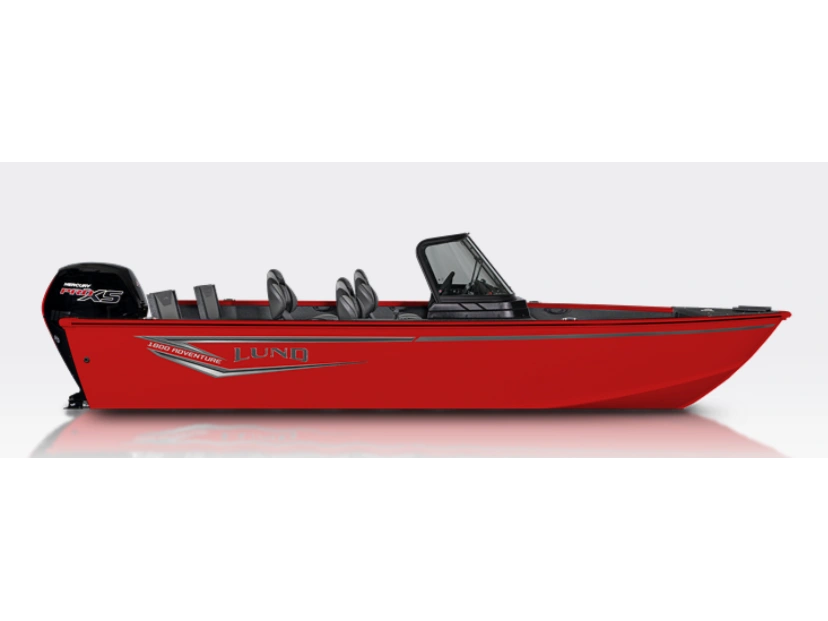
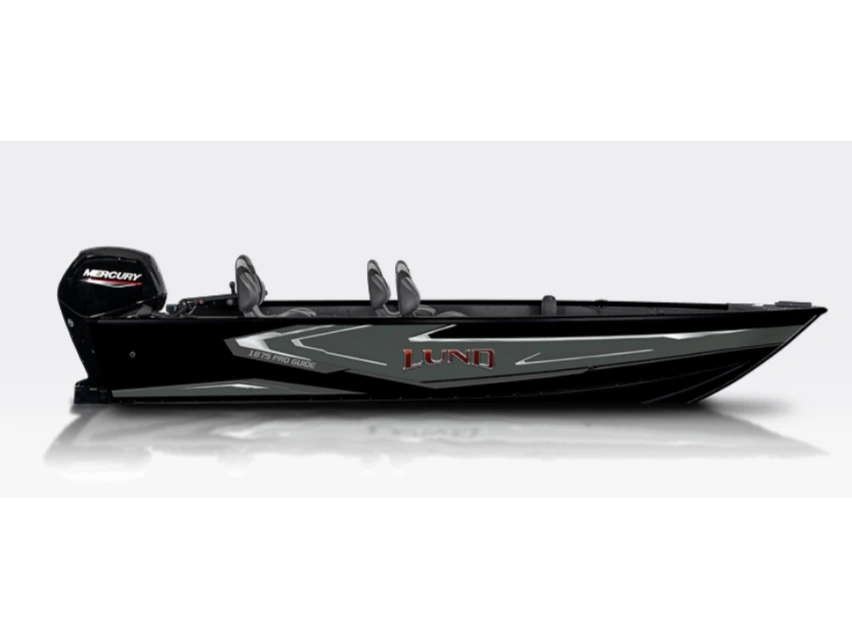
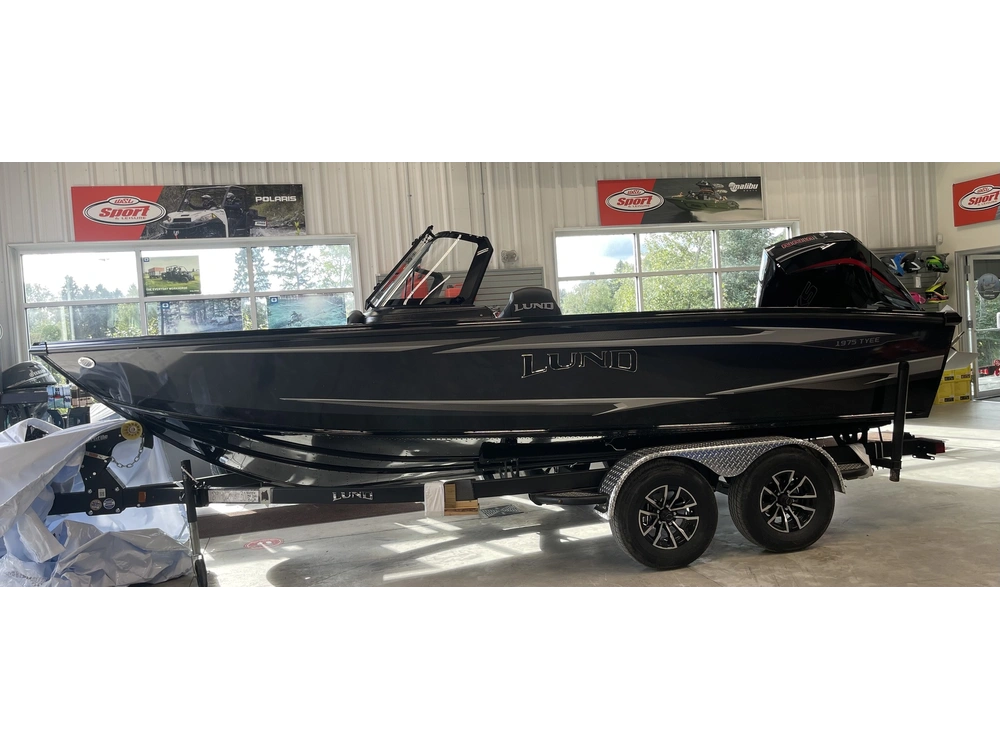
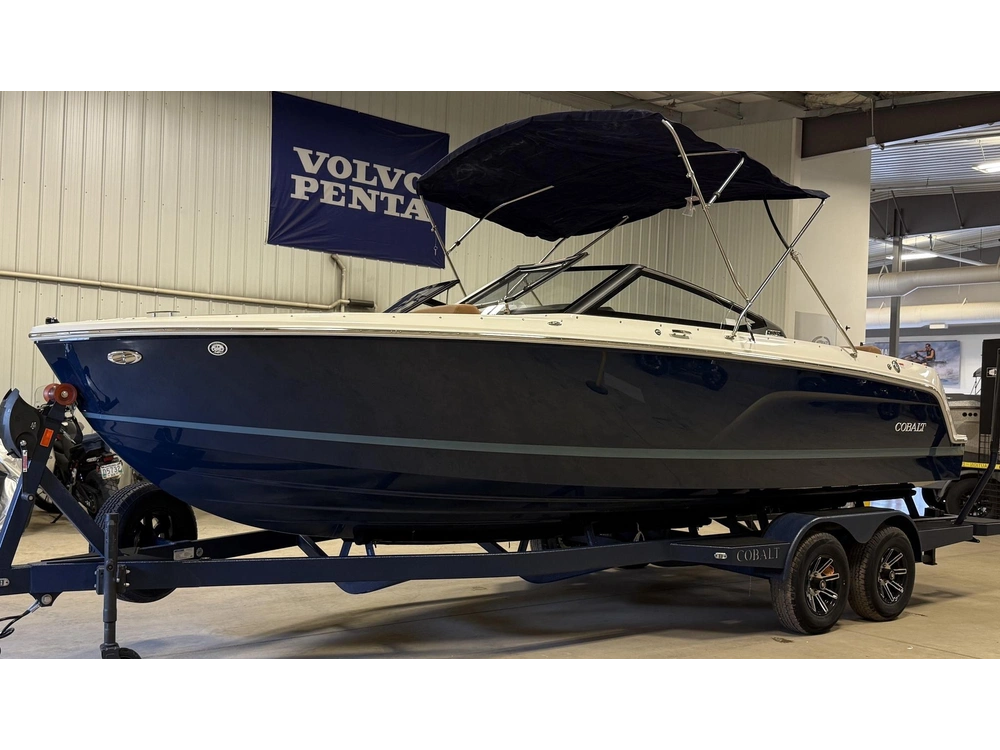
If you are after a used boat for a deep, clear lake like this one, see our used boats. WSL Sport & Leisure prices them in Canadian dollars at our Winnipeg and Kenora stores.
The tracker below turns a Canadian dollar price into US dollars, or a US budget into Canadian dollars, at the Bank of Canada daily rate.
How far your US dollar goes at WSL
1 USD = ... CAD
Bank of Canada daily rate for ... (1 CAD = ... USD)
Use it to price a used boat from WSL or a rental at Tall Pines Marina in Kenora (rental rates are 2026 Tall Pines rates; fuel and tax extra). This is currency math only, not a quote, and the rate changes every business day.
The live exchange rate is not showing here. See today's rate on the Bank of Canada daily exchange rates page.
Before you buy: bringing a boat home to the US can add costs this calculator does not include. US duty on boats runs about 1% for outboard boats and 1.5% for inboard and sterndrive boats (US tariff schedule, Chapter 89; CBP guidance). Your state may charge sales or use tax (North Dakota, Wisconsin). Engines may need EPA paperwork such as Form 3520-21, and a trailer needs DOT paperwork such as Form HS-7 (EPA importing). Rate source: Bank of Canada.
Tall Pines Marina on Lake of the Woods
Tall Pines Marina is on Cameron Bay in Kenora, 832 Lakeview Dr, where Lake of the Woods drains into the Winnipeg River. Fall hours run Wednesday through Sunday from 9 AM to 5 PM; it is closed Monday and Tuesday.
Rentals include a 2025 pontoon for $659 CAD a day, personal watercraft from $175 CAD an hour (2-hour minimum) and paddleboards at $25 CAD an hour. Fuel and tax are added, and renters must be 18 or over. Four full-service premium pumps, water, bait and propane exchange are at the dock, and the 218 slips are fully leased for 2026. Call 807-468-5253 or visit the Tall Pines Marina page.
Common questions
How deep is Green Lake?
The maximum depth is 237 feet, the deepest of any natural inland lake in Wisconsin.
How many boat landings does Green Lake have?
There are eight public access boat landings.
What fish live in Green Lake?
40 species are documented, including largemouth and smallmouth bass, walleye, pike, cisco and stocked lake trout.
How long is Green Lake frozen?
The median ice cover over the last 67 seasons is 87 days, and that number is falling.
Do kids need a fishing licence?
Not in Wisconsin if they are 15 or younger. Anglers 16 and older need one.
Where are the beaches on Green Lake?
Hattie Sherwood Beach, Dodge County Park Beach and Sunset County Park.
Is Green Lake good for smallmouth bass?
Smallmouth bass thrive there thanks to the rocky, steep bottom, and they reproduce naturally.