
Boat Winterization in Winnipeg and Kenora: What to Do Before the First Freeze

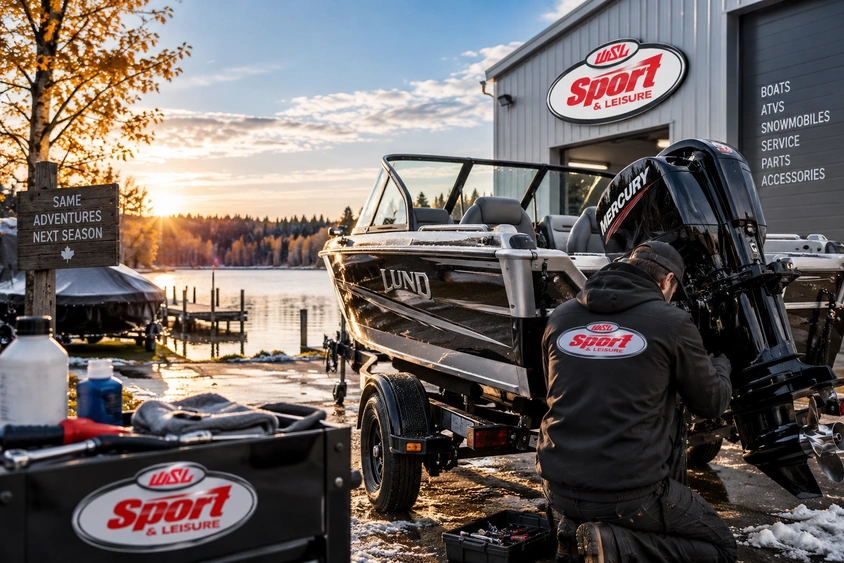
Summer can disappear quickly in Manitoba and Northwestern Ontario. One weekend you are still on the water, and not long after that, overnight temperatures are heading towards freezing.
That makes September an important time for boat owners in Winnipeg and Kenora to start thinking about winter preparation.
Proper boat winterization is about more than putting on a cover and parking the boat until spring. Cold temperatures, moisture and months of inactivity can affect engines, batteries, fuel systems, plumbing and other components.
A little preparation now can make the first launch of next season considerably easier.
Start With the Engine
The engine deserves early attention because any water left where it should not can become a problem once temperatures drop below freezing.
Winterization requirements vary according to the engine and boat configuration. This is one area where following the manufacturer's recommended procedure matters.
Depending on the setup, preparation may include changing engine oil, checking lubricants, stabilizing fuel and ensuring cooling systems are correctly prepared.
If you are unsure what your engine requires, having it professionally serviced before storage can remove a lot of guesswork.
Do Not Forget the Fuel System
Leaving untreated fuel sitting for several months can cause problems when boating season returns.
A suitable fuel stabilizer may form part of the winter preparation process, while fuel filters and lines should also be inspected for signs of wear or deterioration.
The exact procedure will depend on the engine and fuel system, so avoid assuming every boat should be treated in the same way.
Give the Battery Some Attention
It is easy to forget about the battery once the boat is parked.
Before storage, inspect the battery and connections and make sure you understand the recommended off-season charging or storage procedure for your setup.
A battery that is neglected for an entire Canadian winter may not be ready when the weather finally improves.
Remove Water and Moisture
Water can hide in more places than many boat owners expect.
Livewells, bilge areas, pumps, hoses and onboard plumbing should be checked as applicable. Moisture trapped inside the boat can also encourage mildew, odours and interior damage.
Drying and cleaning the boat thoroughly before covering it gives you a better starting point for winter storage.
Inspect the Boat While Problems Are Still Fresh
The end of the season is also a good time to remember everything you noticed during summer.
Was there an unusual vibration? Did a gauge stop working? Is the propeller damaged? Is a seat starting to split? Did the trailer lights become unreliable?
These small issues are easy to forget after several months away from the boat.
Making a repair list now means you can deal with problems before the next season rather than discovering them on your first weekend back at the lake.
Check the Trailer Too
Winterizing the boat should not mean ignoring what it sits on.
Inspect the trailer tyres, wheel bearings, lights, winch, straps and visible hardware. Check that everything is secure before moving the boat into storage.
Spring is a poor time to discover that the boat is ready, but the trailer is not.
Cover and Store It Properly
A good cover should protect the boat while still allowing appropriate ventilation.
Where and how you store the boat will influence what preparation is required. Indoor storage, outdoor storage and covered storage environments each create different considerations.
The objective is simple: protect the boat from weather, moisture, dirt and unnecessary exposure throughout the off-season.
Prepare Now, Enjoy Spring Later
Boat winterization is not the most exciting part of ownership, but it can make a major difference when the ice clears and boating season returns.
WSL Sport & Leisure provides marine maintenance and repair support through its Winnipeg and Kenora locations. If you are unsure what your boat needs before winter, speak to the WSL service team and arrange the appropriate maintenance before temperatures fall.
Your future spring self will be glad you did.